
Exchange: NSE
Type: Equity
Sector: Banking
Disclaimer: State Bank of India Analysis pages are for educational purposes only with delayed data. One should not make any investment decisions based on the data provided here.
Analysis for SBIN
SBIN Overview
SBIN Analysis
SBIN Market Chart
SBIN Option Chain
SBIN Open Interest
SBIN Straddle Chain
SBIN Option Snapshot
SBIN Straddle & Strangle
SBIN Max Pain
SBIN Options Premium
SBIN Cumulative OI Change
SBIN Open Hight Open Low
SBIN Put Call Ratio (PCR)
SBIN Multistrike OI Analysis
SBIN Strikewise Oi Analysis
SBIN Intraday OI Breakup
SBIN Trending OI
SBIN Premium Change / Decay
SBIN Cumulative Volume
SBIN Trending Volume
SBIN Options Premium
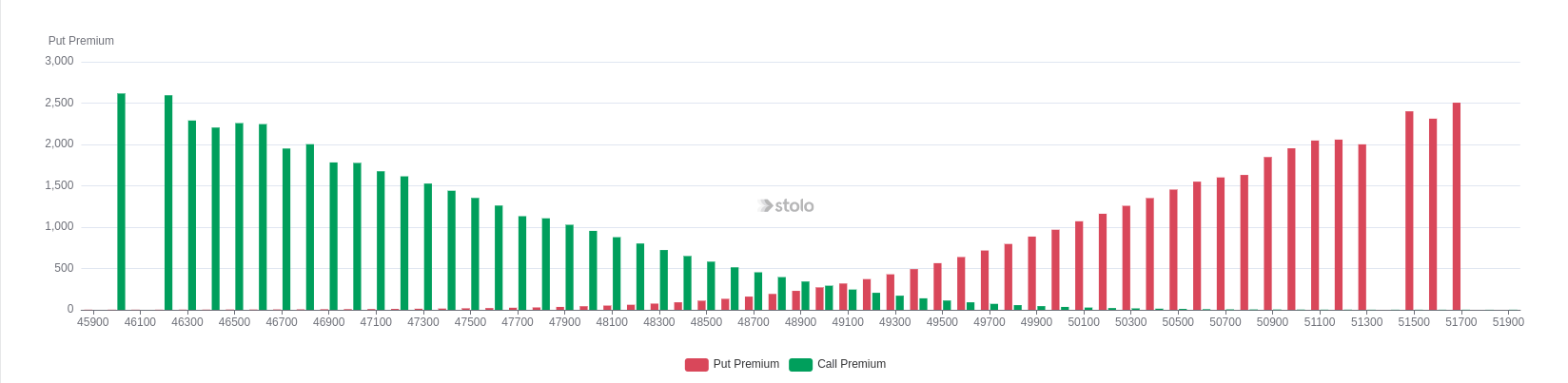
Explore Options Premium for SBIN in Stolo
SBIN Options Premium – Pricing, Volatility & Market Expectations
The SBIN options premium page on Stolo helps traders understand how option prices are formed and why premiums change over time. Option premium represents the cost of an option contract and reflects market expectations, volatility, and time remaining until expiry. This page is designed to help traders interpret whether SBIN options are relatively expensive or inexpensive in the current market environment. By presenting premium data clearly, Stolo enables traders to evaluate risk, reward, and strategy suitability before entering trades.What Is SBIN Options Premium?
Options premium is the price paid by the buyer and received by the seller for an option contract. For SBIN, this premium is influenced by several factors, including implied volatility, time to expiration, strike price, and underlying price movement. On Stolo, the SBIN options premium view focuses on explaining why premiums are at current levels rather than just displaying prices. This helps traders move beyond surface-level comparisons. Understanding premium behavior is essential for selecting the right options strategy.Why Options Premium Matters for SBIN Traders
Premium determines both risk and reward. Buyers risk the premium paid, while sellers collect the premium in exchange for taking on obligation. The SBIN options premium page on Stolo helps traders:- Assess whether premiums reflect high or low volatility expectations
- Compare pricing across strikes and expiries
- Understand how time decay may impact positions
- Align strategy selection with market conditions
Key Drivers of SBIN Options Premium on Stolo
SBIN Implied Volatility Impact
Implied volatility is one of the most significant drivers of option premium. Higher implied volatility generally leads to higher premiums, while lower volatility results in cheaper options. On Stolo, traders can observe how changes in implied volatility affect SBIN options premium across different strikes. This visibility helps traders decide whether volatility conditions favor buying or selling options. Volatility awareness is critical for managing premium risk.SBIN Time to Expiry and Time Value
Time value represents the portion of premium attributed to the remaining life of the option. As expiration approaches, time value gradually erodes. The SBIN options premium page on Stolo allows traders to compare premiums across expiries, making it easier to understand how time affects pricing. This insight supports better selection between short-term and longer-term options.SBIN Strike Price and Moneyness
The relationship between the strike price and current underlying price influences premium significantly. At-the-money options typically carry higher premiums than deep out-of-the-money options. On Stolo, traders can see how SBIN option premiums vary across moneyness levels, helping them balance cost with probability. This comparison is especially useful for strategy construction.How SBIN Options Premium Is Displayed on Stolo
Stolo presents SBIN options premium data in a structured format that highlights relative pricing rather than isolated numbers. Traders can view:- Premium comparison across strikes
- Premium differences between calls and puts
- Changes in premium during the session
- Relationship between premium and volatility