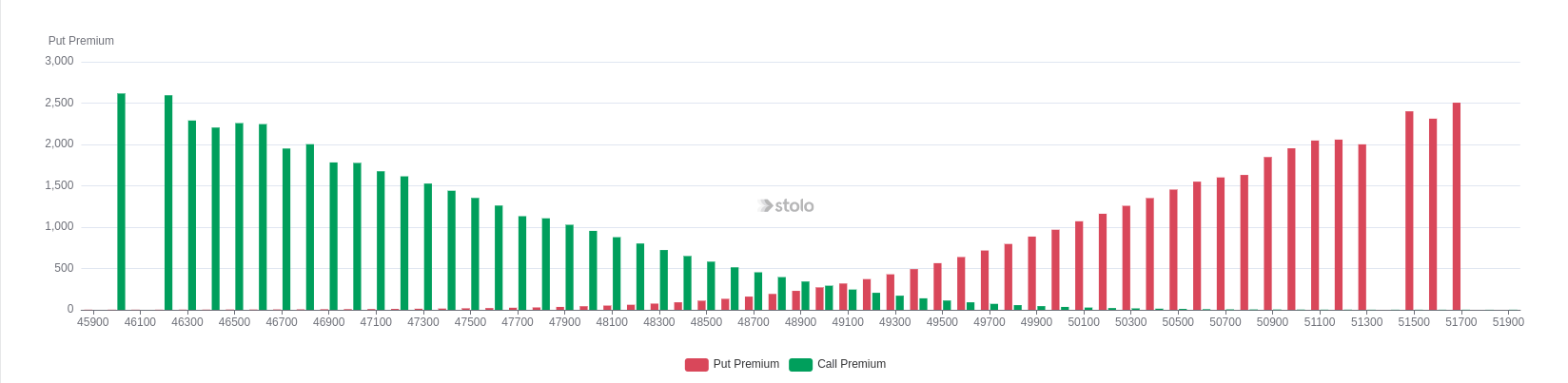
FAQ: TITAN Options Premium
What does TITAN options premium represent?
TITAN options premium represents the price of an option contract, reflecting volatility expectations, time to expiry, and market conditions. Stolo helps traders interpret this pricing clearly.
Why does TITAN options premium change frequently?
Premium changes due to movements in the underlying price, shifts in implied volatility, and time decay. Stolo shows these changes in real time.
Is high premium good or bad for TITAN options?
High premium is not inherently good or bad. It may favor sellers or signal elevated expectations. Stolo helps traders assess premium relative to context.
How does implied volatility affect TITAN options premium?
Higher implied volatility increases premium, while lower volatility reduces it. Stolo displays this relationship clearly for TITAN options.
Can beginners use the TITAN options premium page?
Yes. Beginners use Stolo’s premium view to understand basic option pricing before exploring advanced strategies.
How do options sellers use TITAN premium data?
Options sellers monitor premium richness and volatility to identify potential opportunities for collecting premium on Stolo.
Does time decay affect all TITAN options equally?
No. Short-term options experience faster time decay. Stolo helps traders compare decay impact across expiries.
Can premium analysis help with strike selection for TITAN?
Yes. Premium comparison across strikes helps traders balance cost, probability, and payoff.
How does the TITAN options premium page connect with other Stolo tools?
It complements Stolo’s option chain, volatility analysis, and open interest views by focusing on pricing behavior.
Why should traders analyze TITAN options premium on Stolo?
Because premium determines risk and reward. Stolo provides the context needed to evaluate pricing intelligently for TITAN options.